Disaster recovery projects in Indonesia demand rapid and reliable solutions to rebuild infrastructure. In such scenarios, time is critical, and the need for high-quality concrete is essential. One machine that is gaining attention for these projects is the compact concrete batching plant. But is this capacity sufficient to meet the challenges of disaster recovery in Indonesia? Let’s explore the practicality of this batching plant for disaster recovery projects.
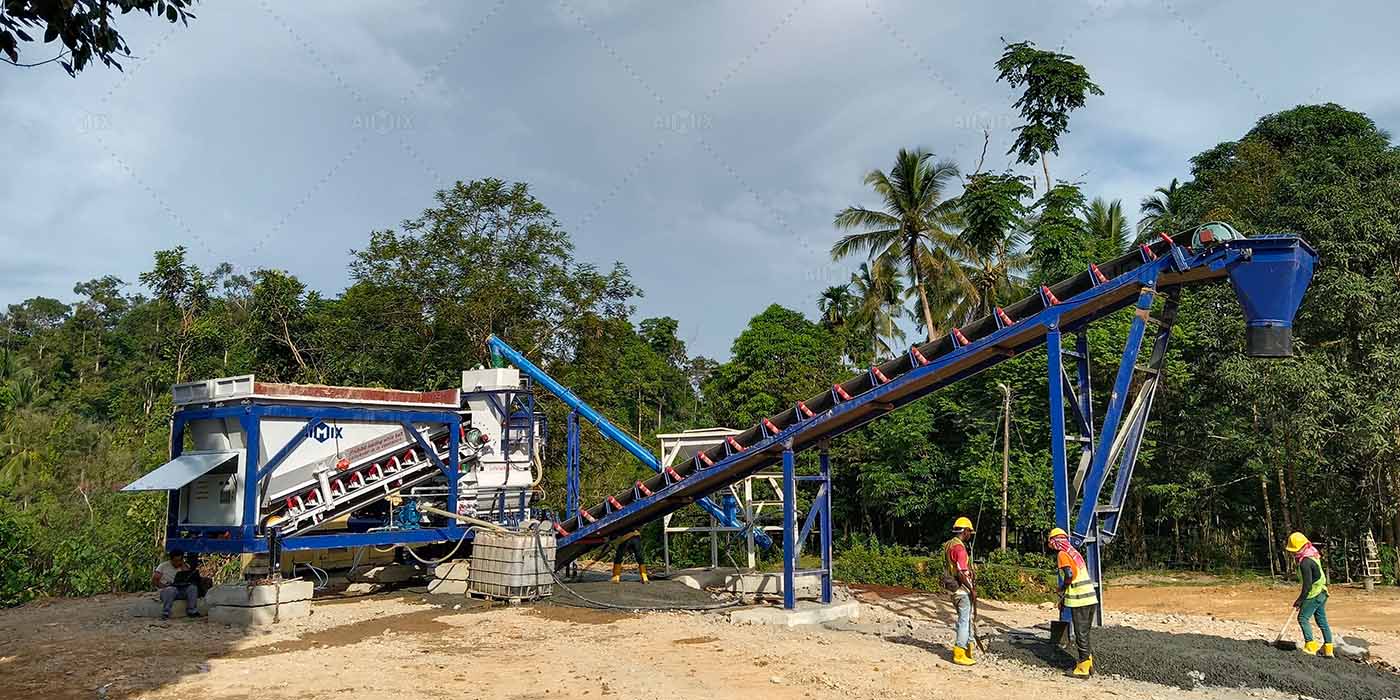
Understanding the Role of Compact Batching Plants in Disaster Recovery
In the aftermath of a disaster, one of the first steps in rebuilding communities is restoring infrastructure. Roads, bridges, and buildings need to be reconstructed quickly to ensure a swift recovery. Concrete is at the heart of this process, and the ability to produce high-quality concrete on-site can significantly speed up the rebuilding process. This is where a compact concrete batching plant comes in.
The 35 m³/h compact batching plant is a compact yet powerful solution. With the ability to produce concrete at a moderate pace, it allows contractors to meet the demands of mid-scale disaster recovery projects without requiring large space or excessive manpower. This makes it ideal for quickly deploying in disaster-stricken areas, especially where space or resources are limited.
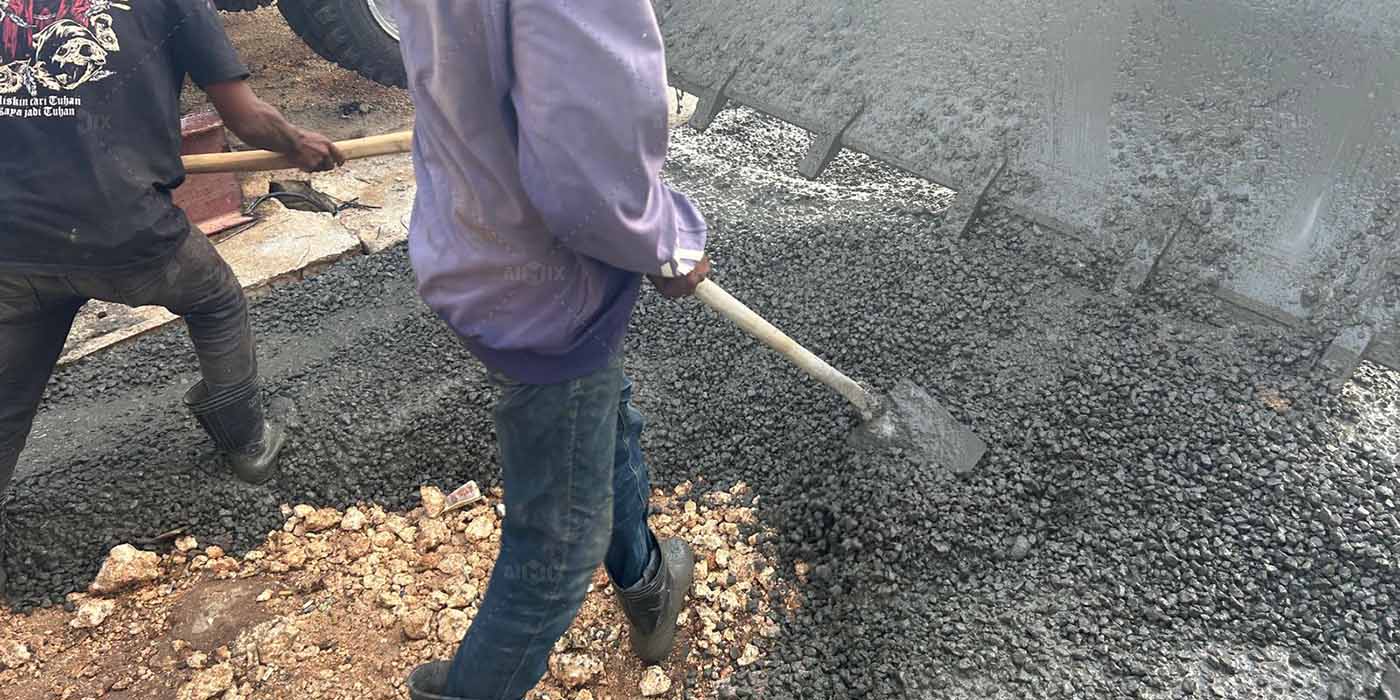
Key Advantages of a 35 m³/h Compact Batching Plant
Space Efficiency
One of the main advantages of the compact batching plant is its small footprint. Disaster recovery projects often take place in areas where space is at a premium, such as narrow streets or temporary sites. A compact batching plant takes up less space while still delivering the necessary output. This space-saving design makes it easier to transport and set up in affected areas, reducing setup time and allowing construction to begin immediately. For smaller areas, you can also consider a small concrete batching plant for even more flexibility.
Rapid Setup and Mobility
Time is of the essence in disaster recovery, and the ability to deploy machinery quickly is crucial. The 35 m³/h compact batching plant can be installed and operational within a short period. This mobility allows construction teams to move between sites quickly, enabling a more flexible response to different parts of the disaster area. Whether it’s for road repairs or building foundations, the plant can be set up wherever it’s needed most. Additionally, for projects requiring a more portable option, a mini batching plant in Indonesia might be an even better fit.
Consistency and Quality of Concrete
Disaster recovery projects require concrete that is both strong and consistent. The compact batching plant can produce high-quality concrete that meets the necessary strength and durability standards. This is especially important when rebuilding infrastructure such as roads, bridges, and buildings that need to withstand both natural elements and heavy traffic. Having a reliable source of concrete on-site reduces the chances of delays or quality issues, ensuring that projects stay on track. If you need larger capacities, consider exploring other options within the concrete batching plant equipment range.
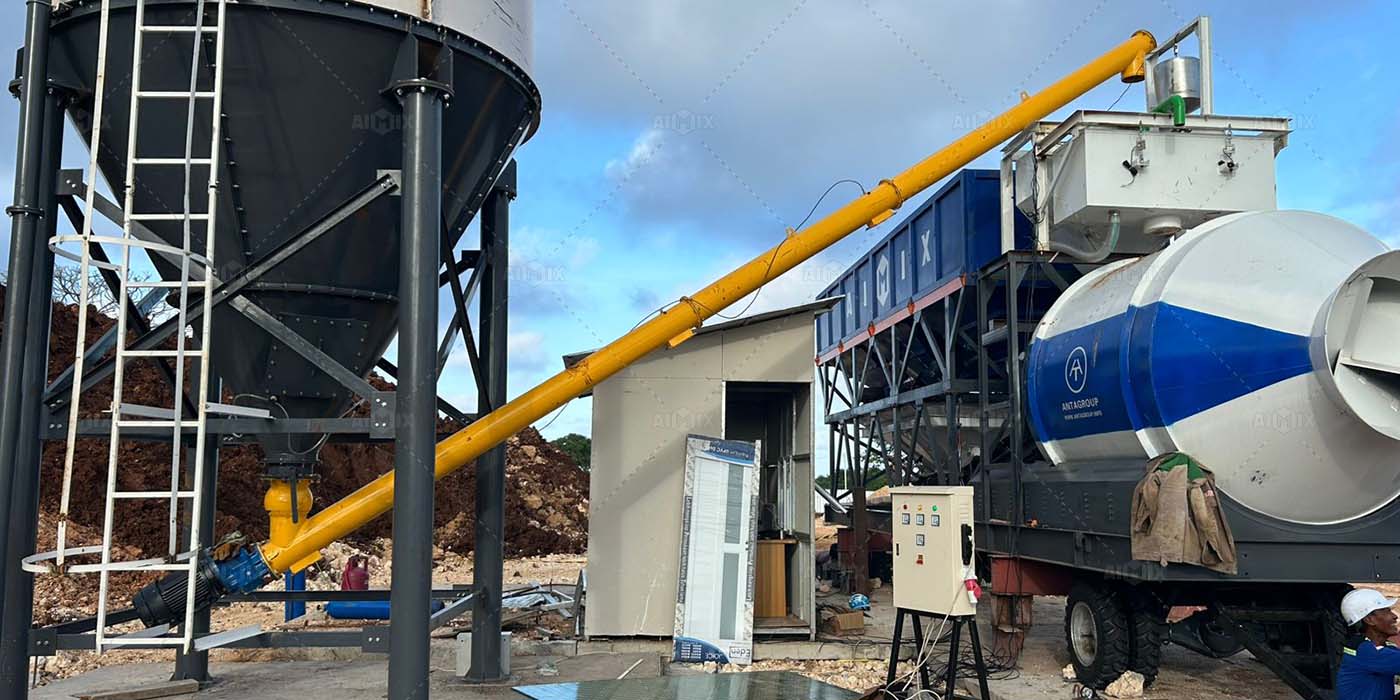
Challenges of Using a 35 m³/h Compact Batching Plant
While the 35 m³/h mini batching plant in Indonesia offers several advantages, it’s not without its limitations. For larger-scale projects, such as those requiring massive amounts of concrete, this plant may fall short in terms of production capacity. If the demand for concrete exceeds the plant’s output, delays could occur, slowing down the overall recovery process.
Additionally, while it’s efficient for mid-sized projects, it may not be ideal for large infrastructure rebuilding efforts like highways or large buildings. In these cases, higher-capacity plants might be more suitable. However, for smaller to medium-sized reconstruction tasks, the 35 m³/h compact batching plant proves to be a practical and efficient choice.
Practical Considerations for Disaster Recovery Projects
Before committing to a 35 m³/h compact batching plant, it’s important to evaluate the specific needs of your disaster recovery project. Consider the scope of the work, the materials required, and the timeframe available. For smaller-scale reconstruction tasks such as repairing roads, creating temporary shelters, or rebuilding small buildings, this plant can provide a cost-effective and efficient solution.
Another critical factor is the availability of skilled labor and support. While the plant is relatively easy to operate, ensuring that operators are trained and familiar with the equipment is crucial. Regular maintenance and servicing of the plant should also be considered to avoid any interruptions during the project.
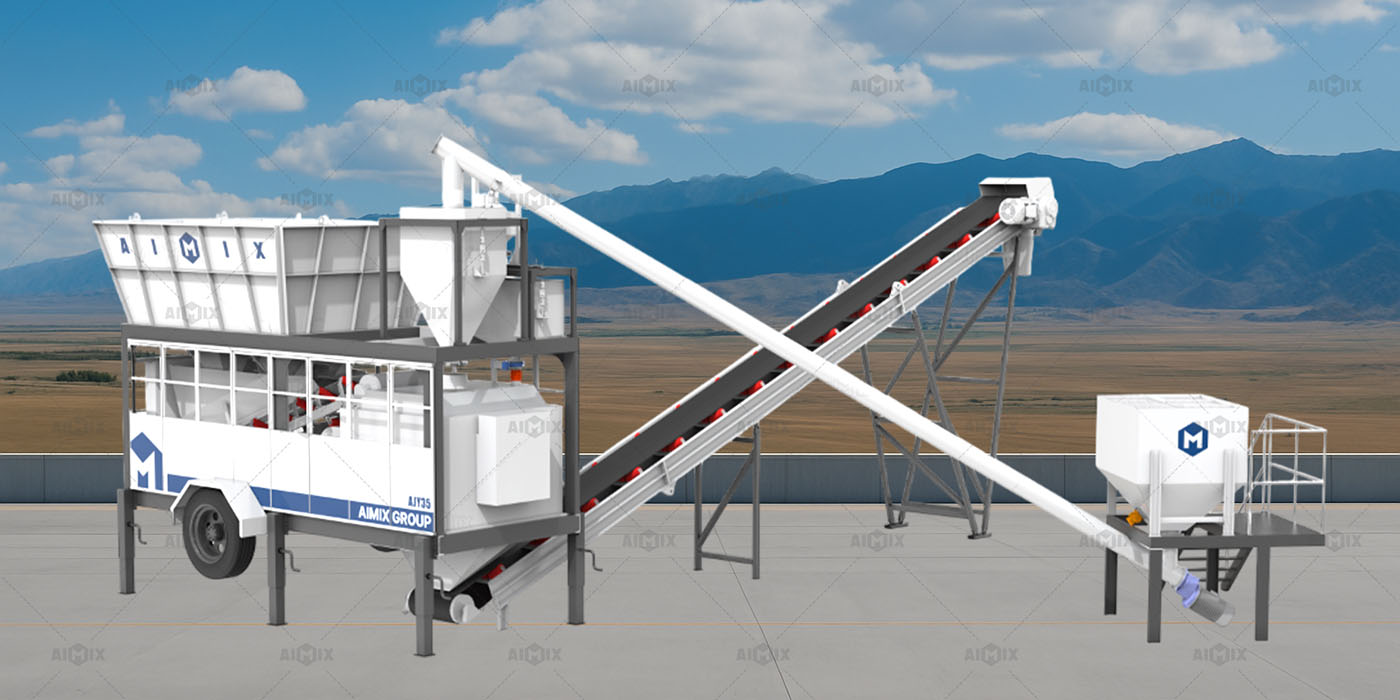
Conclusion: A Practical Solution for Mid-Scale Disaster Recovery
In conclusion, the 35 m³/h concrete batching plant equipment is a practical and efficient solution for mid-scale disaster recovery projects in Indonesia. Its space-saving design, quick setup time, and consistent concrete production make it an excellent choice for areas that need rapid reconstruction. However, for larger-scale projects, it may not provide the necessary capacity, and larger plants should be considered.
If you’re looking for a flexible, mobile, and cost-effective solution for your disaster recovery project, the 35 m³/h compact batching plant may be just what you need. Contact us today to learn more about how this plant can support your reconstruction efforts and help you get back on track faster.
Get in Touch
At AIMIX, we understand the urgency of disaster recovery. Our team is ready to provide you with the best equipment for your needs. Reach out to us today for more information and to discuss how we can help you with your project.