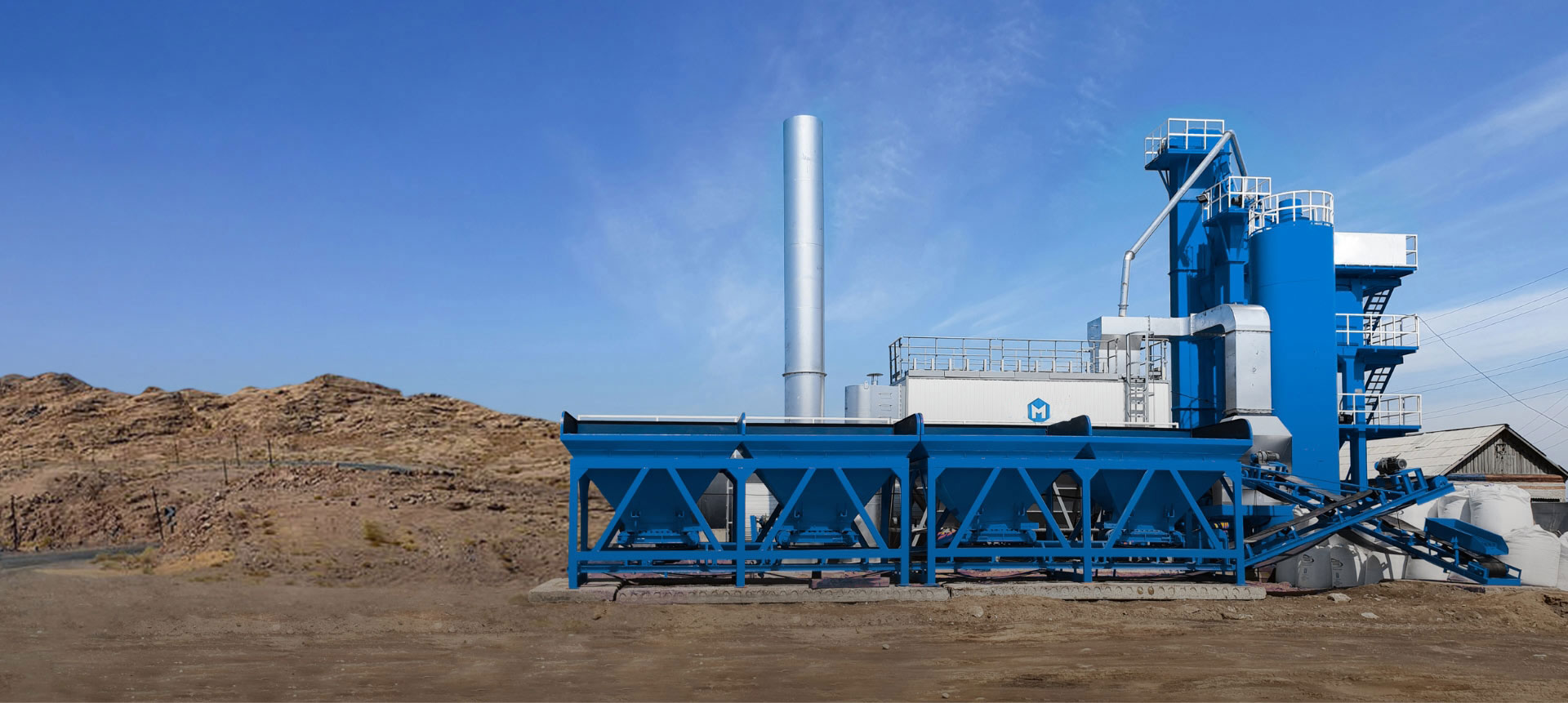
Project contractors face challenges in evaluating the price gradient and core configurations of asphalt batching plants, particularly regarding highway construction projects. By analyzing construction scale and cycles, contractors can avoid redundant investments. Simultaneously, the implementation of intelligent data interconnection and parameter linkage systems enhances the synchronization of material supply and paving operations, significantly improving collaborative efficiency in highway construction.
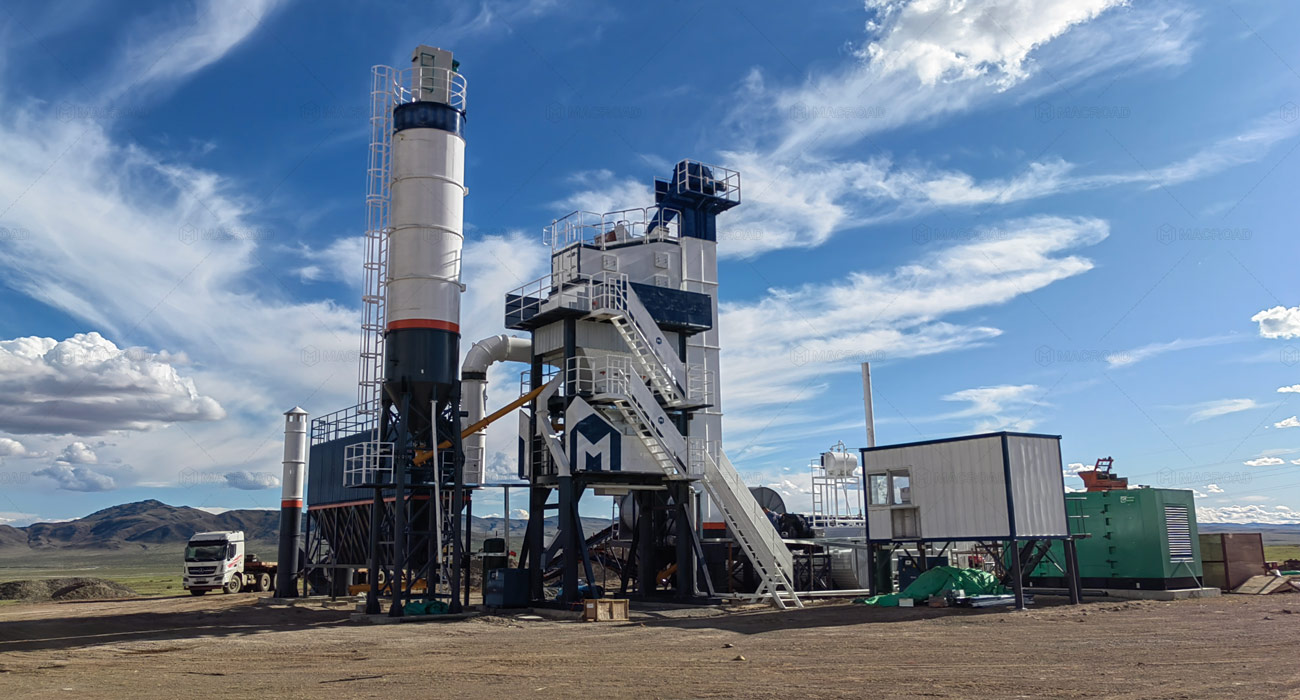
Evaluating Asphalt Batch Mix Plant Price Gradients
When project contractors consider asphalt batching plants, evaluating the asphalt batch mix plant price gradient is crucial. This price gradient reflects the varying costs associated with different configurations and capabilities of asphalt plants, which can be influenced by factors such as capacity, technology, and features. Contractors typically assess these gradients based on the scope and scale of their specific highway construction projects.
Construction scale is a vital determinant in this evaluation. Larger projects often require high-capacity asphalt plants with advanced features, resulting in a higher price point. Contractors must carefully analyze whether the additional capabilities justify the investment, especially if project timelines are tight and efficiency is paramount. By benchmarking against similar projects, contractors can gain insights into reasonable price ranges for various plant configurations, ensuring they make informed decisions.
In addition to construction scale, the construction cycle duration plays a vital role in determining the appropriate asphalt batching plant investment. A longer construction cycle may warrant a greater initial investment in a more advanced plant to increase operational efficiency. Conversely, short-term projects may not justify the cost of high-end configurations. By assessing both factors, contractors can avoid investing in redundant or underutilized equipment that does not contribute to project goals.
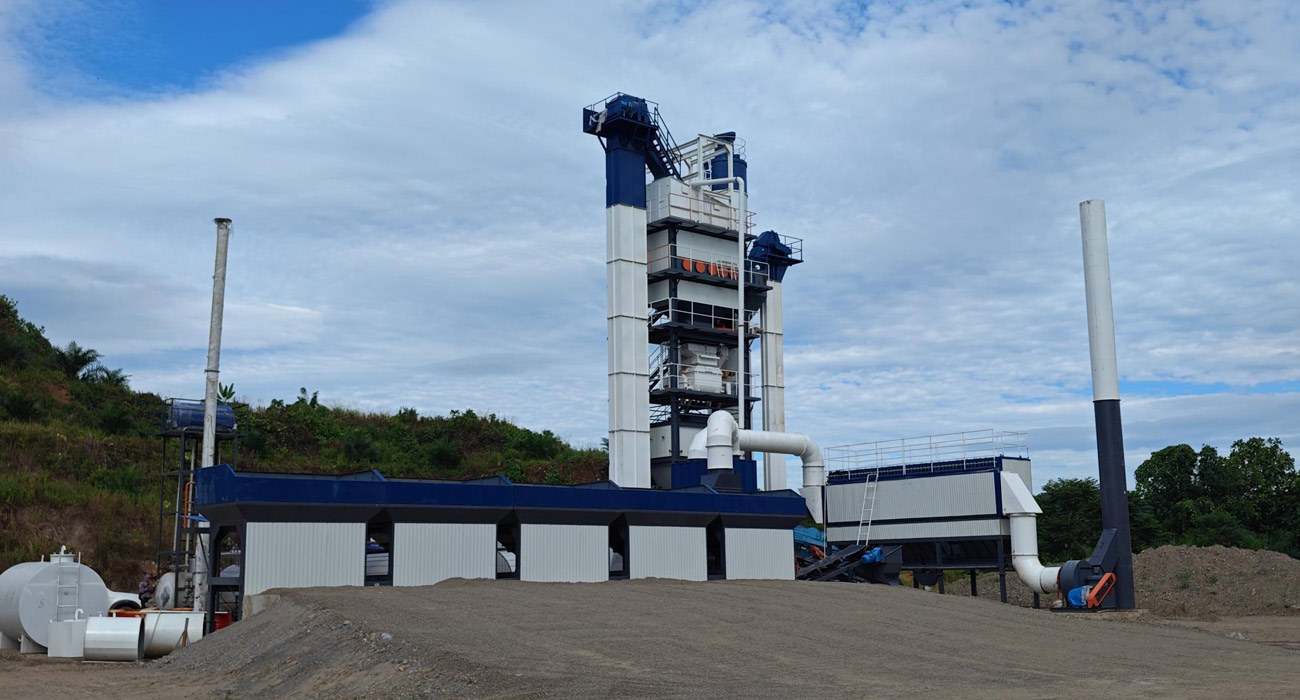
Enhancing Collaborative Efficiency Through Data Interconnection
The collaborative efficiency of a construction project hinges on the seamless integration of various elements, including material supply and paving operations. Asphalt batching plants and asphalt paver machines need effective data interconnection systems for this integration, enabling them to operate in concert throughout the construction process.
Intelligent data interconnection systems facilitate real-time communication between the asphalt batching plants and asphalt paver machines. This connectivity allows for automated adjustments based on live data regarding material availability, paving speed, and environmental conditions. When paving machines are aware of the exact material supply status, operators can optimize the flow and usage of asphalt, reducing waste and ensuring consistent quality in the finished surface.
Furthermore, parameter linkage systems enhance coordination between the two critical components. For instance, when the asphalt batching plant adjusts its output based on paving demands, the paver machine can adapt its operation accordingly. This synchronous operation minimizes delays and maximizes productivity, crucial for meeting tight project deadlines in highway construction.
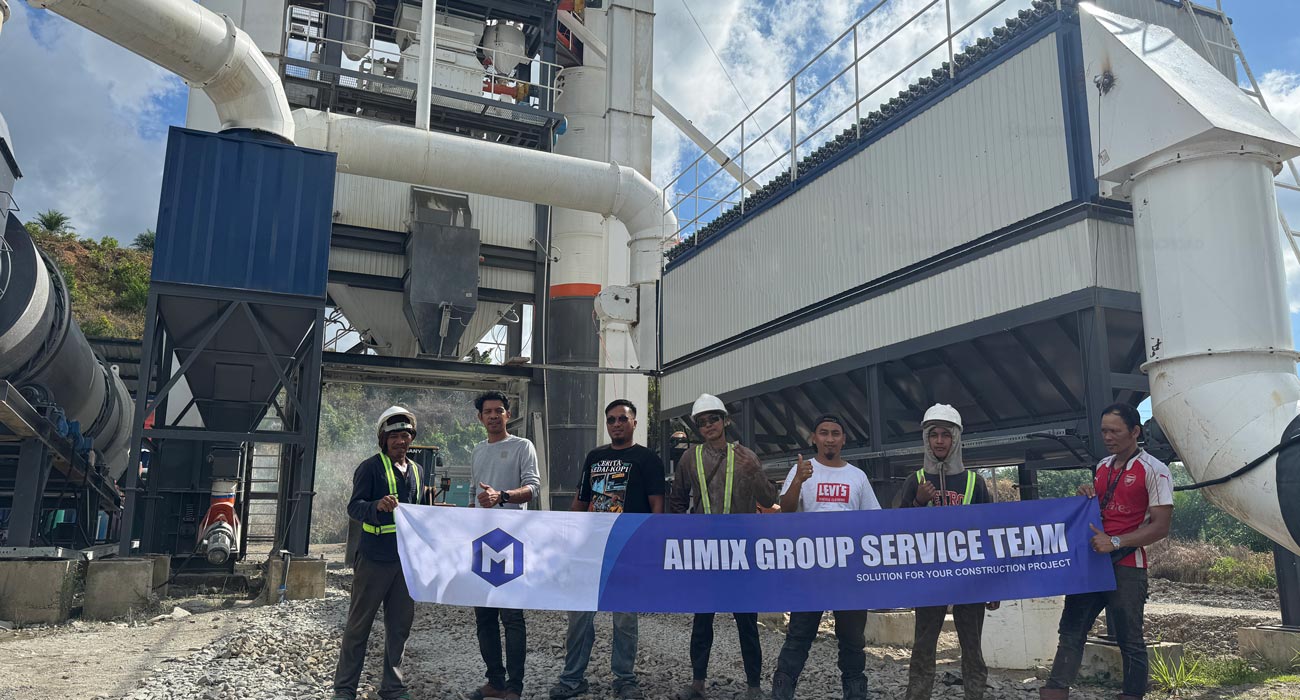
Realizing Whole-Process Synchronization
The ultimate goal of intra-project synchronization in highway construction is to ensure that all processes, from material production to paving, occur without interruption. Implementing modern technologies within asphalt batching plants to achieve this synchronization is essential for optimizing operational workflows.
By utilizing cloud-based management systems, contractors can monitor and control both asphalt batching and paving operations in real-time. These systems provide detailed insights into production rates, paving processes, and material usage, enabling proactive management of resources. Additionally, data analytics can identify inefficiencies and suggest operational adjustments, further enhancing overall productivity.
In conclusion, creating a synchronized process across all facets of highway construction is paramount for success. Implementing intelligent data interconnection and robust parameter linkage systems ensures that asphalt batching plants and asphalt paver machine work in unison, significantly improving collaborative efficiency and project outcomes.
Conclusion
In summary, project contractors must critically evaluate the asphalt batch mix plant price gradient and core configuration against the scale and duration of highway construction projects. By doing so, they can avoid redundant equipment investments that do not align with project needs. Furthermore, embracing intelligent data interconnection and parameter linkage systems enhances the synchronization between asphalt batching plants and paving operations. This robust integration significantly boosts collaborative efficiency, ensuring that highway construction projects proceed smoothly and effectively. The focus on these strategies ultimately leads to optimal investment and superior project delivery.